Strategic Aftermarket Services for Data Center Uptime

In the contemporary digital economy, the data center has undergone a fundamental transformation. No longer merely a passive repository for server hardware, today’s facility operates as a high-velocity compute factory. Within these environments, the primary product is processing power, and the paramount metric for operational success is data center uptime.
As global enterprises integrate generative AI into core operations and migrate mission-critical workloads to the cloud, the expectation for service continuity has transitioned from a strategic objective to a non-negotiable requirement. In Europe, the Energy Efficiency Directive (EED) further codifies this demand by mandating rigorous reporting and performance standards, which establish uptime and energy efficiency as the twin pillars of regulatory compliance.
However, maintaining this always-on environment is becoming increasingly difficult as hardware density accelerates. The cost of failure is catastrophic: industry analyses indicate that the average cost of downtime ranges from $14,056 to upwards of $23,750 per minute. For hyperscale operators and Tier 1 providers, a single hour of lost connectivity represents a multi-million-dollar impact on the balance sheet, compounded by enduring reputational erosion.
For Original Equipment Manufacturers (OEMs) that provide the critical power and cooling infrastructure, the value proposition has shifted. Customers are no longer purchasing a standalone product; they are investing in an assurance of performance over a 10-to-15-year life cycle. This paradigm shift is driving a new strategic realization: aftermarket services are no longer a secondary cost center. Instead, they have evolved into a vital tool for risk mitigation, brand protection and long-term customer loyalty.
The Complexity Paradox: Why OEMs Need an EMS Partner
As data centers evolve to support high-density AI workloads, hardware architectures are reaching a complexity barrier. The industry is pivoting away from modular, swappable components toward highly integrated, mechatronic systems. This increased sophistication requires a level of technical acumen that often exceeds the traditional “break-fix” capabilities of localized service providers.
To navigate this paradox, OEMs are increasingly leveraging electronic manufacturing services (EMS) partners who provide a dedicated operational framework for life cycle support. An EMS partner like Plexus provides a comprehensive support structure that integrates advanced depot repair and refurbishment with strategic inventory management and forward stocking.
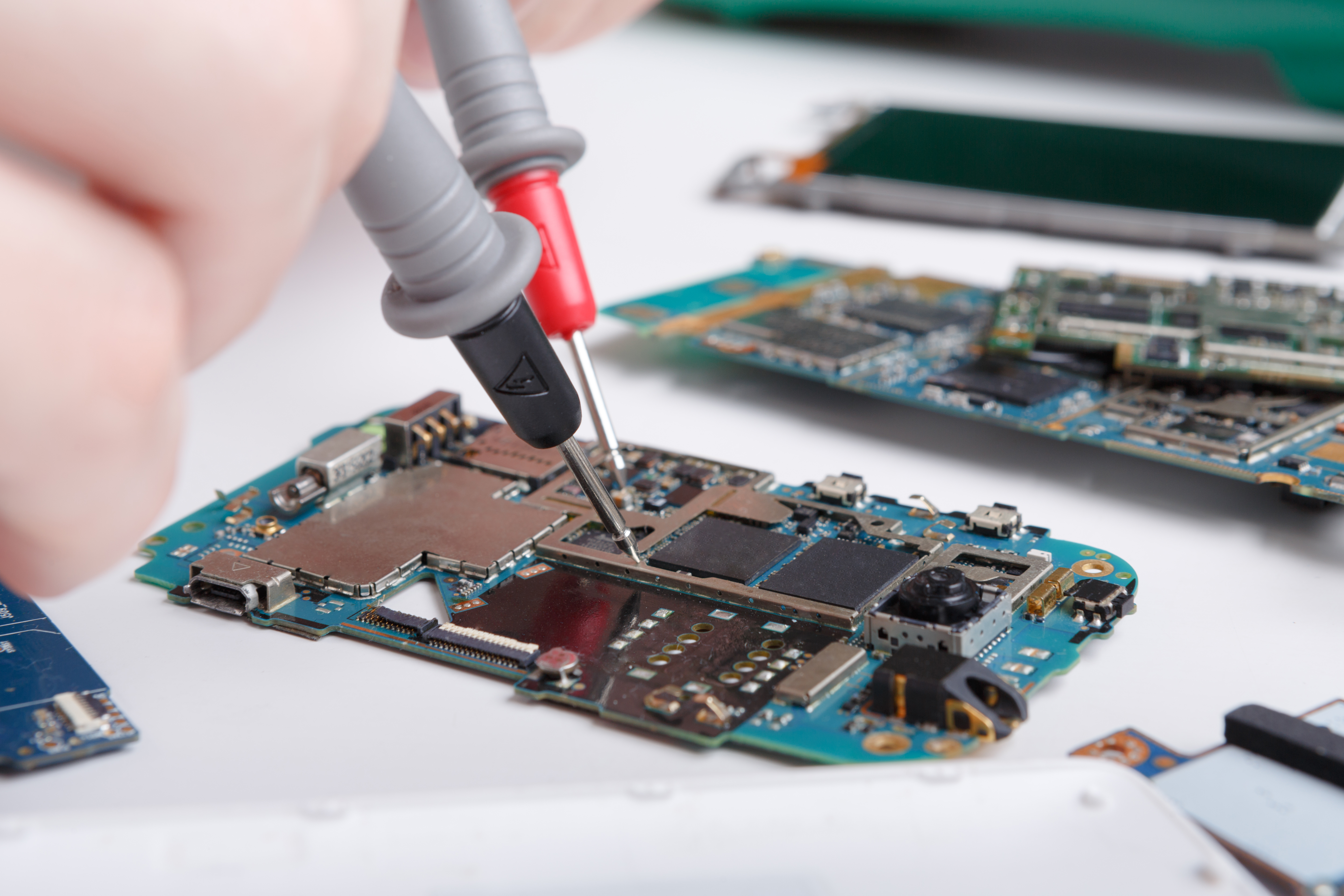
By applying manufacturing-level rigor to the service environment, these partners perform specialized Level 1 through Level 4 aftermarket repairs and PCBA-level diagnostics. This process restores high-value components, such as complex power conversion modules, to their original performance specifications rather than simply replacing them.

This proactive approach significantly reduces Mean Time to Recovery (MTTR) and safeguards data center uptime because it places critical components exactly where required for operational efficiency. Tier 1 EMS partners empower these solutions with data-driven stocking strategies, enabled through installed-base mapping and predictive modeling tools that anticipate failure rates before they manifest in the field.
Furthermore, a sophisticated EMS provider manages the entire tail of the product life cycle through end-to-end logistics and process management. This includes orchestrating the global service logistics chain—from navigating complex reverse logistics and cross-border trade compliance to warehouse services and order fulfillment. By outsourcing these complex operations, OEMs can maintain a lean fixed-asset base while providing their customers with a seamless, compliant flow of assets across a global network.

Power Infrastructure: Safeguarding the Lifeblood of the Facility
Power failure remains the primary catalyst for data center outages, accounting for approximately 52% of all recorded incidents. For OEMs producing power distribution units (PDUs), switchgear and uninterruptible power supplies (UPS), the pressure to ensure zero-point failure is immense. In high-cost energy markets, this objective extends beyond avoiding a crash; it is about maintaining peak Power Usage Effectiveness (PUE). A degraded UPS system or an inefficient power module does more than risk downtime; it significantly inflates operational expenditures through energy dissipation.
The challenges for power OEMs are twofold. First, the rapid adoption of AI is creating transient power spikes that can stress traditional uninterruptible power supplies, necessitating a higher grade of refurbishment and more frequent health checks. Second, the hardware itself is subject to specific, predictable failure modes that require specialized engineering services to remediate. For instance, capacitor degradation and battery impedance masquerading as a full charge are common systemic issues that can lead to catastrophic failure if not identified during a proactive service cycle.
A long-term aftermarket partnership allows power OEMs to offer advanced depot repair and refurbishment services that extend far beyond simple component swapping. A sophisticated EMS partner can provide diagnostics into the control logic of the UPS, utilizing failure analysis labs to identify root causes of field failures. By leveraging strategic inventory management and the forward-stocking of critical power modules, OEMs ensure that data center operators access essential components exactly when their operations require them, maintaining continuity without the overhead of an internal global logistics network.
Cooling and Thermal Management: Navigating the Liquid Transition
While power is the lifeblood, thermal management is the regulatory system that prevents the digital factory from overheating. We are currently witnessing one of the most significant architectural shifts in data center history: the transition from traditional air cooling (CRAC/CRAH) to advanced liquid cooling technologies.
For data center liquid cooling OEMs, this transition introduces a new layer of mission-critical maintenance. Data center cooling technologies such as Direct-to-Chip (DTC) and immersion cooling involve a complex array of pumps, manifolds, Coolant Distribution Units (CDUs) and sophisticated fluidic logic. The margin for error is nonexistent; a leak or a pump failure in a liquid-cooled rack can result in immediate hardware destruction and prolonged downtime.
Outsourced aftermarket services provide cooling OEMs with the specialized talent required to maintain these fluidic systems. This includes the conditioning of cooling fluids to prevent biofouling and corrosion, as well as the precision calibration of leak-detection sensors. By leveraging an EMS partner’s expertise in complex system integration, cooling OEMs can scale their service offerings as rapidly as they scale their production, ensuring that their brand reputation for reliability remains intact even as technologies reach new levels of heat load and density.
Asset Life Extension and the Circular Economy
In addition to uptime, sustainability mandates increasingly define the modern data center. Hyperscalers are setting aggressive net-zero carbon goals, which has placed an intense spotlight on hardware circularity. Asset life extension through service life cycle management has become a critical tool for meeting these Environmental, Social and Governance (ESG) targets.
Through professional testing, grading and refurbishment, aftermarket partners can extend the operational life of power and cooling assets by several years. Product life cycle extension programs include sophisticated parts recovery and reuse. Additionally, an EMS partner with integrated engineering services can extend asset life through sustainable product re-design rooted in Design for Environment principles. These actions reduce the Scope 3 emissions through reducing existing product carbon impact and delaying the manufacturing of new equipment.
When equipment truly reaches the end of its functional life, specialized component harvesting allows for the recovery of high-value microprocessors and rare-earth materials. This approach does more than protect the environment; it protects the OEM’s bottom line. By offering a robust refurbishment program, OEMs can create new, high-margin revenue streams while helping their customers reduce their Total Cost of Ownership (TCO).

Plexus Sustaining Services: Your Global Life Cycle Partner
At Plexus, we understand that your service strategy is not merely about reactive repair—it is about fulfilling a life cycle promise to your customers. We partner with OEMs to build intentional, sustainable servicing programs designed to align with the high-stakes environment of the data center industry.
Our Sustaining Services go far beyond standard repair, providing an integrated suite of solutions:
- Advanced Depot Repair: From PCBA-level diagnostics to complex mechatronic refurbishment, we apply the same manufacturing rigor to our service operations as we do to our new product introductions.
- Regulatory and Operational Excellence: Our facilities adhere to the most stringent industrial and environmental standards, ensuring that every refurbished component meets or exceeds its original specifications.
- Global Reach, Local Impact: With a worldwide footprint of co-located design, manufacturing and service sites, we help you reduce logistics costs and tariff exposure while providing regionalized support to your end customers.
- Regionalized Circularity: We offer localized service hubs that ensure compliance with regional data sovereignty and environmental laws, providing “in-region for region” support that minimizes transit times and Scope 3 emissions.
- Engineering to Extend Product Life Cycle: We leverage in-house engineering services, feeding operational data back to deliver product improvements that extend asset life.
Whether you are managing a sophisticated liquid cooling system or ensuring the reliability of a massive UPS network, Plexus provides the scale and technical depth to support your growth.
Let’s Partner to Build a Resilient Digital Backbone
The data centers of tomorrow are being built today, and they are more complex, more powerful and more vital to global commerce than ever before. OEMs can no longer pave their path to market leadership through hardware innovation alone; they must build it on a foundation of long-term, reliable service.
By embracing outsourced aftermarket services through a strategic EMS partner, you can ensure the data center uptime your customers demand, drive asset life extension and successfully navigate the technical challenges of modern infrastructure.
Is your service strategy ready for the future of the data center?
Contact the Plexus Sustaining Services team today to learn how we can help you protect your brand, your customers and your bottom line.